

2024.01.25
2024 – A crucial year for the electronics tax
In the wake of growing criticism of the electronics tax, which has increased in scope and impact since 2017, 2024 is predicted to be a potentially decisive year for its eventual survival. With increased political attention and a strong voice from the Moderate Party, the new year could mean a turning point for consumers and Swedish retailers in the fight against a tax that has been criticized for its inefficiency and negative effects on the Swedish market. Read APPLiA Chairman Kent Oderud's thoughts on the possibilities of abolishing the tax this year.
This is an argumentative text from Applia's chairman Kent Oderud with the aim of influencing.
Surely the field is free for promises and wishes like this at the beginning of a new year? Things we want to happen or wishes that we want to come true. I myself have wished for the same thing since 2017. That's when the electronics tax was introduced in Sweden. It's easy to wish it away as it's pure "greenwashing" and doesn't meet the goal of reducing the levels of harmful substances in the flame retardants of electronics. The fact that it then makes both white goods and home electronics much more expensive for consumers in Sweden also means that many consumers discover new, cheaper purchasing channels abroad. Jobs are being lost in Sweden!
2023 – The year when the electronics tax became more than 60 percent higher. Does that sound possible? Yes, read here what affected consumers last year, who were interested in upgrading their kitchens and laundry rooms with more energy-efficient appliances:
- Index increase in electronics tax 1.1.2023 (+8%)
- The abolition of the right to deduct for reactively added flame retardants (+48%)
- The index increase was presented for 1.1.2024 (+9.1%).
By 2024, the electronics tax has now become such a large proportion of the product's price that the affected products have become more expensive at Swedish retailers to such an extent that consumers are looking for alternative purchasing options in foreign e-commerce instead.
Will 2024 be the year when we finally see an end to this political ”greenwashing”? A glimmer of hope was ignited when the governing Moderate party, at its large party meeting in November, voted through a weighty motion from its party district in Västra Götaland, demanding that the electronics tax be abolished as soon as possible. The party’s meeting is its highest decision-making body, and the wording of the meeting resolution ”The Moderates work to abolish the electronics tax immediately” is crystal clear.
Listen to our interview with Moderate MP Sten Bergheden about how the party is now reasoning about the abolition of the electronics tax below.
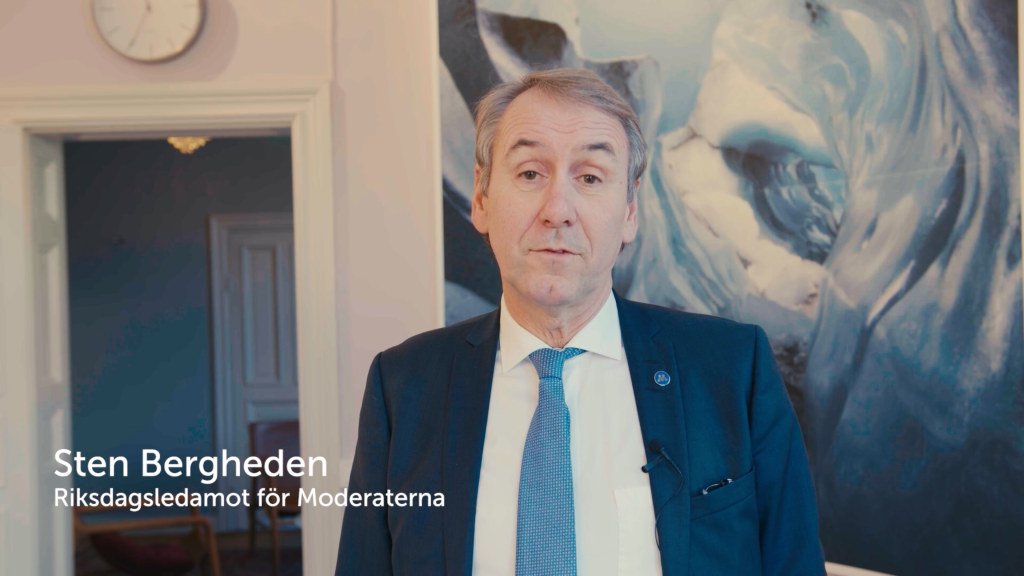
Sten Bergheden (M)
With the Moderates' clear stance, there is now a nascent majority for the final abolition of the electronics tax. 2024 could thus be the year when the industry's, authorities', investigators' and consumers' insistent criticism of this non-functioning tax finally surface for a possible decision in parliament.
I am already looking forward to the year 2025 when Swedish consumers will be able to buy energy-efficient white goods without a 670 SEK tax surcharge per product. In that case, Swedish jobs may have been saved as our retailers' competitiveness increases. Our politicians can then start working on more effective tools to substitute harmful flame retardants throughout Europe instead – not only in home electronics but also in clothing/textiles, building materials, floors, vehicles – through stricter EU directives valid for the entire large European market. This gives the global production of electronics the right incentive to change. Not a non-functioning Swedish excise tax.
Text: Kent Oderud, chairman of APPLiA