

2022.04.20
Air purifier against pollen allergies
Spring is the time when hundreds of thousands of people suffer from pollen allergies and the unpleasant symptoms that come with it. Fortunately, there is now a lot to do to relieve the irritation while waiting for a miracle drug to be developed. In this week's APPLiAnytt we find out what an air purifier in the home can contribute.
About 1 in 5 people will suffer from pollen allergy during their lifetime. Pollen allergy is an allergic reaction caused by pollen particles that come into contact with the eyes, nose, mouth and throat.
Of course there are home remedies for pollen allergies...
Allergies can be very irritating, but you can often alleviate the symptoms yourself. Here are a few tips on how to avoid pollen:
- Follow pollen forecasts published online and in apps
- Try to stay indoors when pollen levels are high.
- Exercise indoors during pollen season
- Keep windows and doors closed, especially during the day, to reduce the risk of pollen getting in. If you want to air out, it is best to do so in the morning, evening or after it has rained because then the pollen levels are lower.
- Keep the windows closed when driving.
- Please change clothes after you have been outside and do not store clothes you have worn outdoors in your bedroom.
- Keep in mind that your pets can carry pollen in their fur, so be careful when interacting with them.
- Wash your hair regularly, preferably before bedtime and after you have been outside, as allergens tend to stick to the hair and come in with it.
- Avoid drying laundry or airing clothes and sheets outdoors; it is better to use a dryer if you have one.
- Use a vacuum cleaner with a HEPA filter or wet-mop shelves, furniture and floors
- Avoid mowing the lawn, a sure way to cause pollen allergies, without resorting to the help of a robotic lawnmower.
- Apply Vaseline around your nostrils to keep your nose moist and prevent it from getting chapped, this will also help trap pollen before you have a chance to breathe it in.
- Use air purifiers at work and at home, especially in the bedroom
Always seek medical advice by talking to your pharmacist or doctor if you have severe symptoms or are unsure.
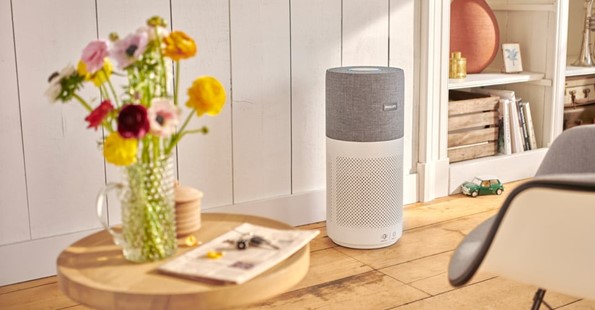
An air purifier helps!
Sales of air purifiers for homes increased significantly after the outbreak of the pandemic. One reason is that they are effective at absorbing aerosols that can be carriers of particles and viruses. Now, in times of pollen, there may also be strong reasons to use an air purifier in the home – it can enhance the effect of some of the home remedies above and contribute to a pollen-free indoor environment.
An air purifier does a good job by:
- Reduce allergens such as pollen, dander and dust
- Captures aerosols that may contain fine particles
- Prevents unpleasant and/or strong odors
- Filter out contaminants such as gases, bacteria and mold spores
Unlike opening a window, which allows pollutants, allergens, and dust to enter your home from outside, an air purifier cleans the air by removing pollutants while promoting air circulation. You can use an air purifier to minimize allergies to dust, pets, or pollen, reduce the spread of viruses, and keep your family healthy, or to get rid of other airborne pollutants. There are really many uses. Air purifiers can also help you sleep better.
It is important to choose an air purifier with sufficient capacity to purify all air in the room where it will be placed. It is better to choose a more powerful machine than one that is too small.
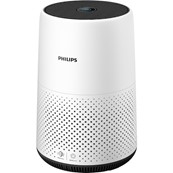
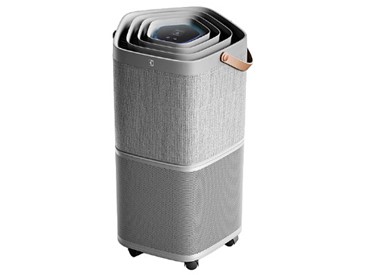
Who needs air purifiers?
It's not just allergy sufferers who can benefit from an air purifier in their home. In addition to those who suffer from hay fever, pet allergies, and dust and mite allergies, the following often find an air purifier necessary:
- People with respiratory problems such as asthma
- Home cooks who fill the house with (sometimes) stinking cooking odors
- Fans of scented candles and incense
- Homes with open fireplaces
- Homes that are difficult to ventilate
- Homes that easily attract condensation, moisture or mold
- Homes in cities located near traffic routes or busy city streets
As you can see, the list includes people with allergies and sensitivity to airborne pollutants, homes that often contain odors or smoke, or who have problems with moisture.
With your newfound knowledge about what air purifiers are good for, you can more easily give good advice to people around you and to your customers about the benefits and excellence of air purifiers.
Images and source Philips and Electrolux.
Kent Oderud