
2022.11.08
VAT – an obstacle to a circular society
Changing the way VAT is handled could be the key to increased circular management of appliances and electronics. This is according to APPLiA chairman Kent Oderud. Read the full reasoning below.
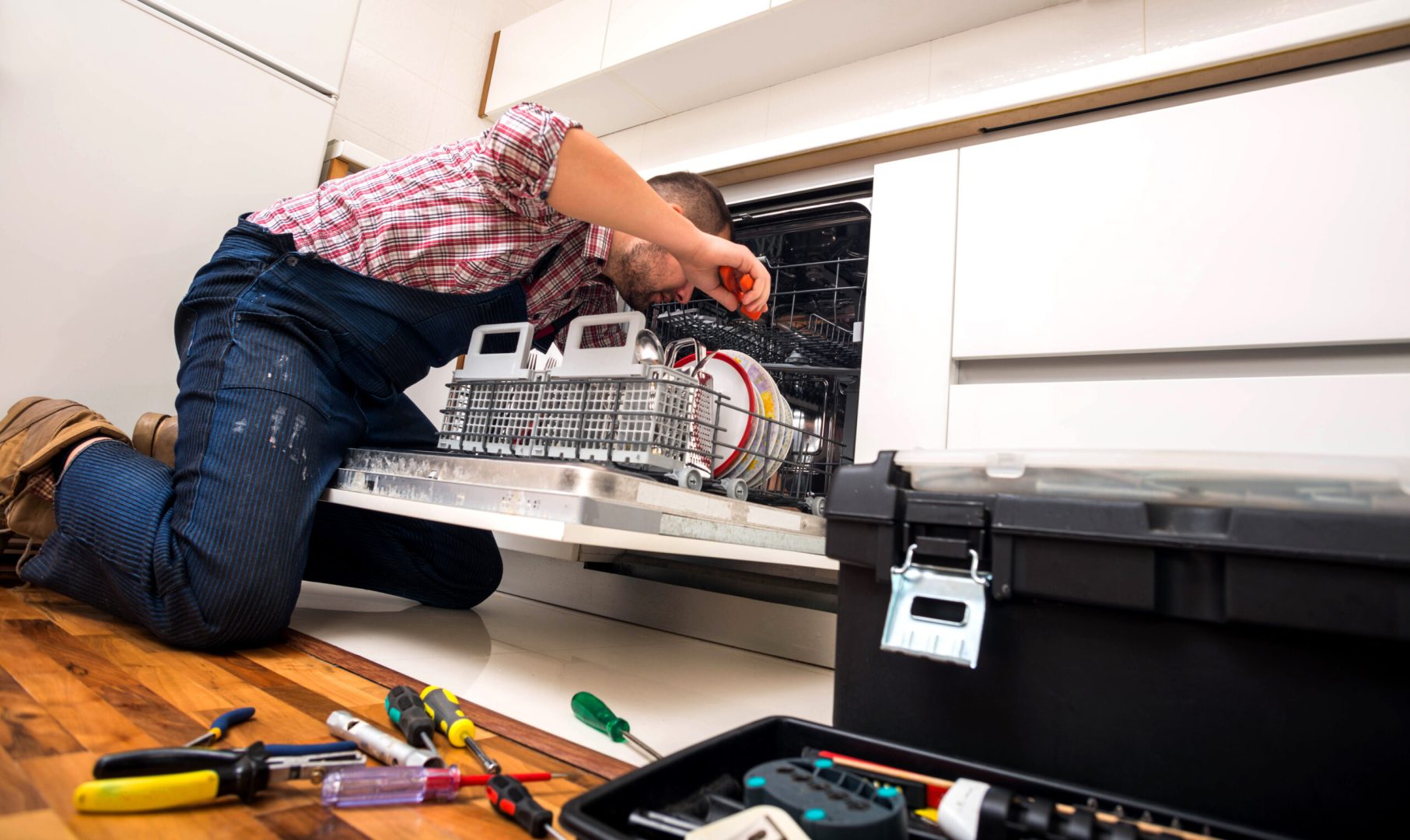
VAT – value added tax – the management of this can be a key to more circular behavior among citizens in our society. On the one hand, we all want to increase the frequency of repairs instead of new purchases and on the other hand, circularity would benefit from more initiatives for the careful collection of, among other things, white goods, home electronics and IT products to enable reuse after repair/renovation. Today's VAT system counteracts this as repairs are expensive.
Repairs must become significantly less expensive to seriously generate increased circularity. Manufacturers of white goods and household appliances are now doing everything they can to meet the EU's new Ecodesign requirements, which stipulate that repairs and service on products must be made easier and that spare parts must be kept ready for delivery for a long time. But with continued high labor costs, employer contributions and a VAT rate of 25 percent, no true circularity will be achieved.
Here, adjusted VAT rates would likely make a difference. Repairs of, for example, bicycles, shoes, clothing and home textiles already have a lower VAT rate of six percent. The government has proposed an increase to 12 percent in 2023, but even so, this is still far from the 25 percent VAT rate that currently applies to white goods repairs.
The RUT deduction is of little help
The RUT deduction for repairs of white goods in homes also does not have a major effect on the number of repairs, as only 0.8 percent (in 2020) of the total RUT deductions derive from repairs of white goods. The RUT deduction, as it is designed today, therefore does not provide a proper boost to circularity. APPLiA has in our previous submissions The Ministry of Finance has been given concrete suggestions on how the RUT system could be improved to achieve a higher degree of circular behavior. But without a positive response from the previous government.
Professional recycling
A circular society requires a thoughtful approach to providing incentives for the recycling of white goods as a resource-saving activity. Today, we as consumers are referred to sites such as Blocket and Tradera to be able to recycle white goods and other home electronics – all in ”as is” condition without being inspected, competently repaired or with an extended warranty. In the future, we must have more professionalism in the handling of recycling white goods, household appliances and other electronics.
Do like Finland
But listen here; used appliances that are currently handled by recycling companies in larger series (with series repairs, warranties, etc.) are at risk. double VAT. An item from a private individual or collection system is subject to VAT but the VAT invoice/receipt is missing in almost 100 percent of cases. The company selling the used item cannot therefore deduct VAT and risks having the VAT charged on the used item – for the second time.
A profit margin system (VMB) exists at the Swedish Tax Agency due to the above problems. The margin is VATed here instead of the sales price. However, these Swedish VMB rules have limitations, which make them too costly to apply for recycling companies. The Confederation of Swedish Enterprise has long proposed that instead they be copied Finnish VMB rules, which involves simplified management where the profit margin consists of all sales & purchases during an accounting period. This is something that we at APPLiA support.
The electronics tax makes recycling impossible
The final nail in the coffin for the recycling of white goods is finally put by the electronics tax. The tax means that, for example, a washing machine can be taxed with 600 SEK both when it is sold as new and then again when it is sold as recycled / used. This, together with the double VAT, makes it difficult, if not impossible, to handle recycled goods in a professional and profitable way in Sweden. The combination of these economic obstacles cuts the possibilities for an efficient recycling market that we all fundamentally desire.
We want to be able to drive a green transition towards increased circularity in the industry and in society. Let us be able to contribute to this – but then give the industries the effective tools to do so so that the ambitions around increased repair frequency and recycling do not just become a paper tiger.
/Kent Oderud