
2022.10.17
Washing machines – a product group where development is rapid
When the energy label for washing machines changed in March 2021, a washing machine that had been labeled A+++ was instead labeled C. At that time, there were no washing machines on the market that passed the product label A or B. But technology is developing rapidly and now washing machines with the highest energy labels are available.
The idea was that the new energy label scale AG would be valid for ten years, before it would possibly need to be updated again. In the case of washing machines, it took barely a year before the most energy-efficient machines on the market met the requirements to be A-rated. This shows the speed of technological development in our time, but also the suppliers' efforts and ambitions to improve their products. In addition, the energy label A is an easy-to-understand symbol from a marketing point of view.
Today, in principle, all suppliers on the market offer washing machines with the highest energy label, and since product development continues continuously, models will be launched in the future that consume even less energy than the A label requires. An example is the washing machines Electrolux showed at IFA 2022, which will be launched in the spring of 2023. The company calls them A -30 because they consume 30 percent less energy than is required to be labeled with A.
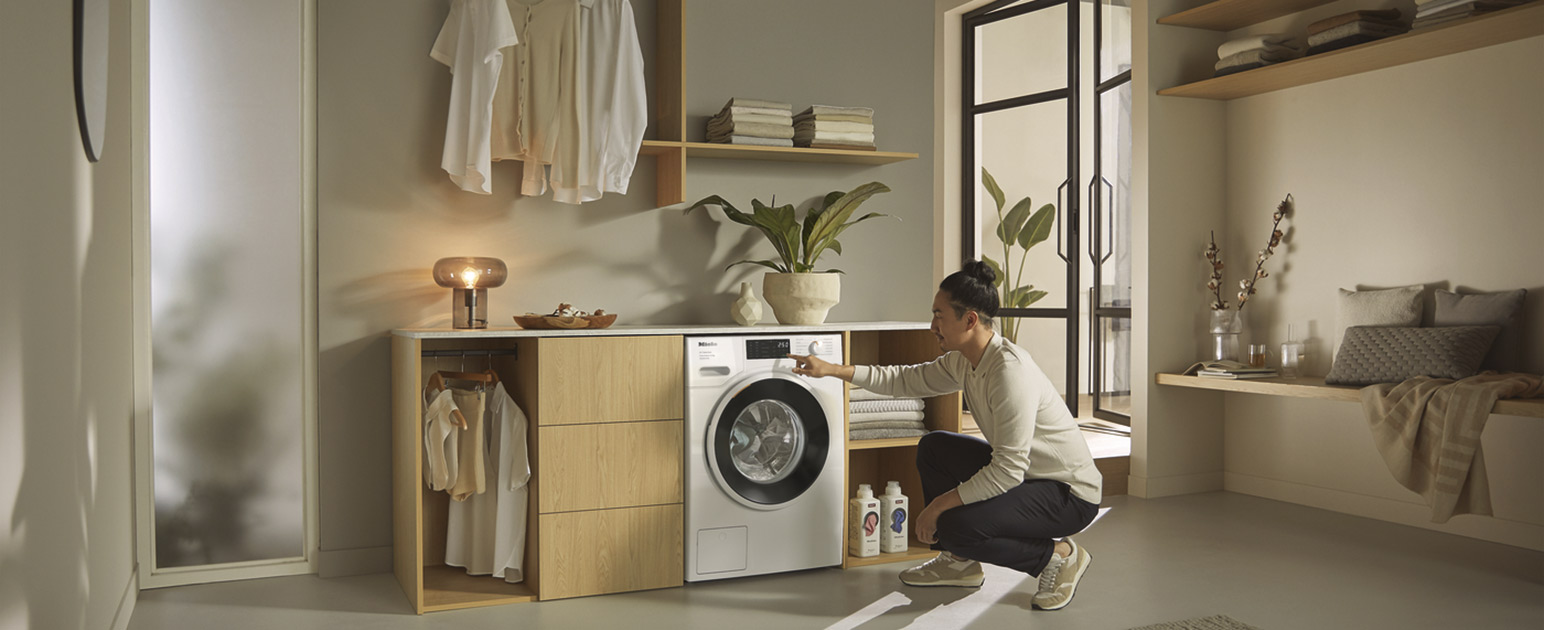
Another example of rapid product development is Miele, which has reduced the energy consumption of its washing machines by an average of 72 percent over the past 20 years. Most of their washing machines can also be connected to hot water, which can save even more energy, depending on how the water is heated.
Function and finesse
Water consumption is also an important part that has decreased over the years, although not by as high a percentage as energy, but by an average of around 20-25 percent over a 20-year period. In recent years, a number of new functions have also been added that did not exist before. One example is various systems to avoid using too much detergent. Today, there are machines that use various sensors to detect how much laundry has been put in the machine and how dirty it is, and then the machine indicates the dosage to be used. The vast majority of suppliers also offer washing machines with auto-dosing, where the consumer fills in detergent for around 20-30 washes at a time and the machine then doses it itself.
Miele states that its TwinDos auto-dosing system, which automatically dispenses two different types of detergent in two phases, means you save up to 30 percent on detergent. Miele has also said that from 2023 its connected washing machines will be equipped with a consumption panel, a new feature in the Miele app that informs users of the actual amount of water and electricity consumed in a program when it is finished.
The deeper analysis of the data is simple and concise and compares, for example, average values for all washing programs used, and the user can easily see, for example, that the Eco 40-60 washing program consumes significantly less energy than the Cotton 40 or 60 washing program. The consumption panel also shows how often a program has been run each week, month or year, as well as how many washing cycles the washing machine has completed in total.
Another function is a microfiber filter to reduce the release of microplastics into the water, and Grundig was the first to launch a washing machine with FiberCatcher technology this spring, which according to the company reduces the contamination of wastewater with microfibers by up to 90 percent.
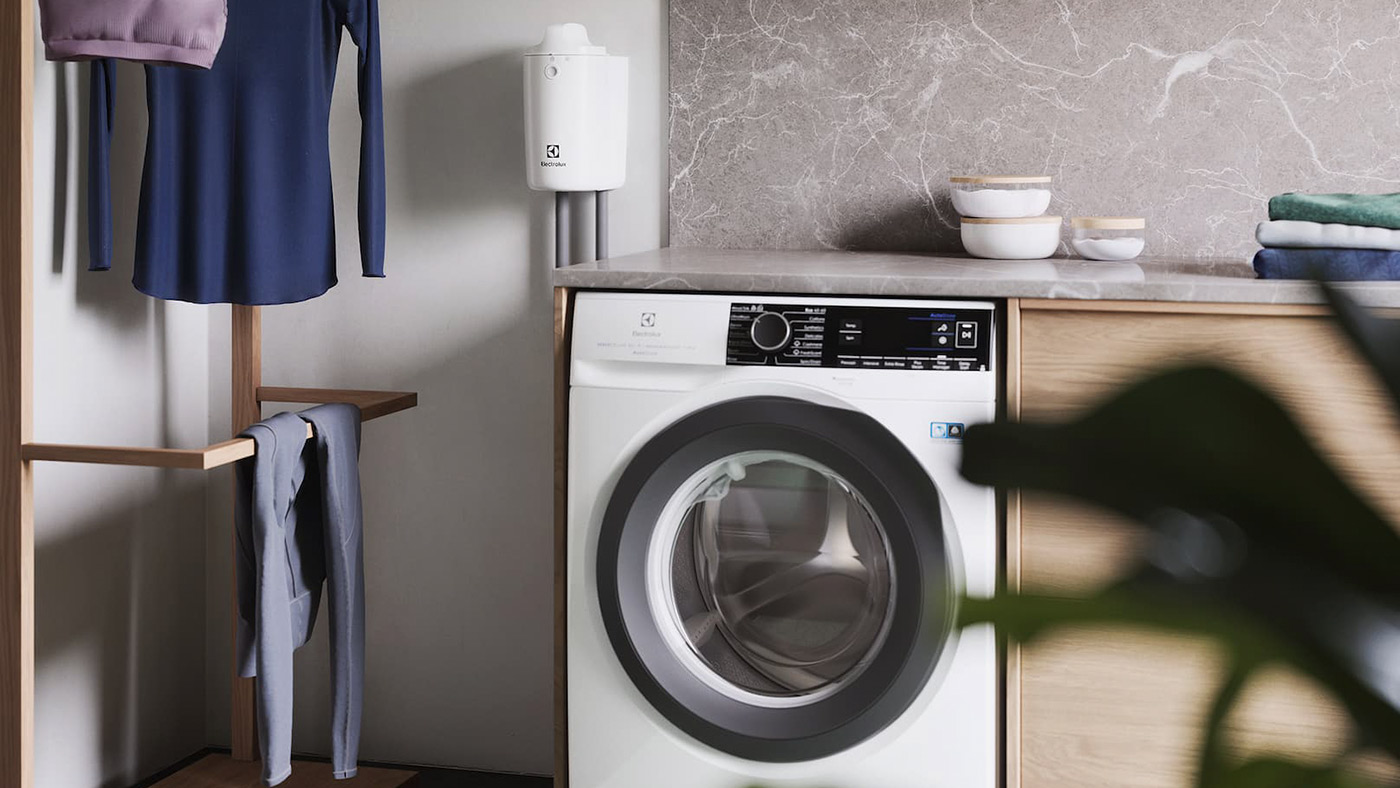
This spring, Electrolux also launched a microplastic filter, which is not built into a washing machine but a product that should be able to be connected to basically any washing machine (Electrolux states that it can be used with any Electrolux, AEG or Husqvarna washing machine) to reduce the amount of microplastic fibers that end up in the washing machine's wastewater. The Electrolux microplastic filter, which is mounted on the wall next to the washing machine, is said to capture up to 90 percent of all microplastic fibers that are released from synthetic clothes during washing.
Samsung has just launched its new AI washing line, developed in partnership with Patagonia, which is equipped with solutions to both reduce energy consumption and the release of microplastics from clothes. Samsung states that using filter technology, the machine reduces microplastics that end up in the drain from clothes washed in the machine by up to 54 percent.
Text: Ola Larsson