
2022.01.18
Sales by energy class 2021
APPLiAnytt now presents the 2021 report on how the sales of white goods have developed during the year, broken down by ENERGY CLASS. The report is based on APPLiA's market statistics for the past year and provides the answer to how energy-conscious choices Swedish consumers are making.
The European energy label has helped consumers under 25 years to choose energy-saving white goods. By 2020, the EU regulations on energy labelling for white goods are estimated to have saved a total of 2.6 TWh of electricity in Sweden, according to experts. Sweden consumes a total of approximately 400 TWh annually. The regulation has also encouraged companies in the industry to develop products that consume less energy, less other resources such as water and reduce noise emissions.
AG new scale – but not yet for all products
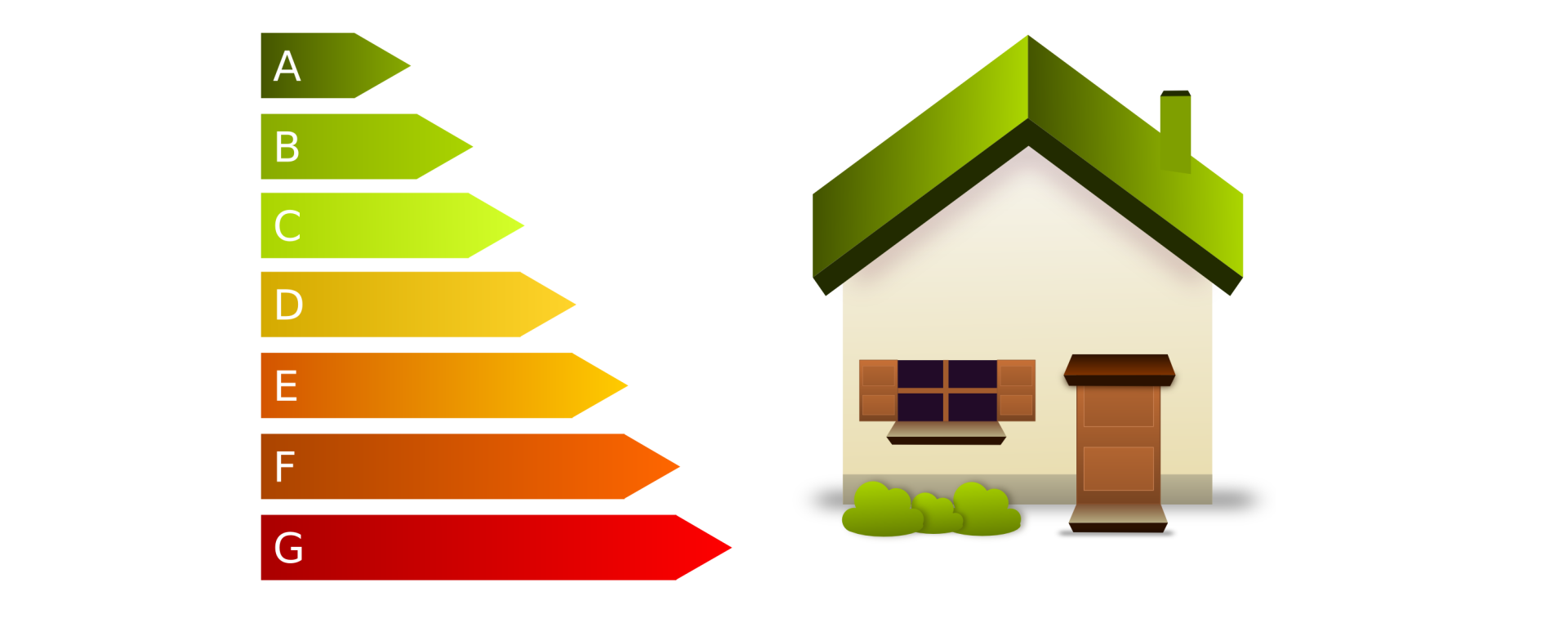
Since March 2021, products have been labeled with energy classes A to G, instead of A+++ to D as it was until now. The new system does not apply to all types of white goods, but it is washing machines, dishwashers, refrigerators and freezers which have now received the new scale. Other product groups will retain the old rating scale for the time being – there is no new change date for these from the EU yet.
There is therefore some confusion among consumers who have received two different energy ratings for the same product delivered during the year, as both were attached to the product in full accordance with the regulations. For these customers, it is worth emphasizing that the actual energy consumption of the product has NOT changed – only the scale for the energy rating.

Demand for energy-efficient appliances is increasing
APPLiA's annual report shows that demand for energy-efficient appliances is increasing. This is most evident for the product groups that still have the older label, i.e. dryers, ovens/stoves and fans. Here the report can be compared with sales in previous years. And the trend is clear!
The majority of dryers (72 percent) are at least A-rated and 59 percent have class A++ or A+++. The large proportion of dryers with further optimized heat pump technology is the primary explanation for this high proportion. It is also notable that ovens/cookers increase A+ rated products by a full 4 percentage points. Kitchen hoods also show a sharp increase in A+ class. All this is evident from the report from APPLiA.

Large proportion green-rated – also according to the new scale
The white goods industry has quickly taken up the challenge of the new, more challenging rating scales, and delivered a range of 'green-rated' products on a large scale in 2021. This is evident from the report's account of how sales have been for the product categories that have received new rating scales. With washing machines, we have come the furthest in achieving the highest ratings in the new, stricter rating scales. A full 59 percent of washing machines sold are already green-rated, i.e. have ratings A, B or C according to the new scale (see image above).
The supply from companies in the industry has also matched the demand for energy-efficient dishwashers and refrigerators/freezers, where the proportion of green-rated products is already 25 to 30 percent of the total number of units sold in Sweden. All according to the new, demanding rating scale.
Since most variables have changed in the new ratings, no relevant comparison can be made between the new energy ratings and the previous ones. For these product groups, with new rating scales, no comparison with previous years in terms of sales per energy class can therefore be made.
See the complete report from APPLiA in pdf format by clicking here.
Kent Oderud, Chairman APPLiA