
2022.05.11
The Retail of the Future – Sustainability & Customer Experience
On April 26, Dagens Industri, together with Microsoft, arranged the webinar The Future of Retail where representatives from a number of companies spoke about sustainability, customer experience and the future of commerce.
Sustainability has been a central part of the challenges facing retail in recent years and is now a requirement for many customers before making a purchase. The first point during the webinar was about how to meet the demands for more sustainable solutions. The second point on the agenda was the customer experience, a topic that largely came to be about sustainability as well. The last point was about the future of retail, and how the future customer wants to be treated both in stores and online. The moderator was Pontus Herin, reporter at Dagens Industri and program host at DiTV.
How do you meet customers' sustainability requirements?
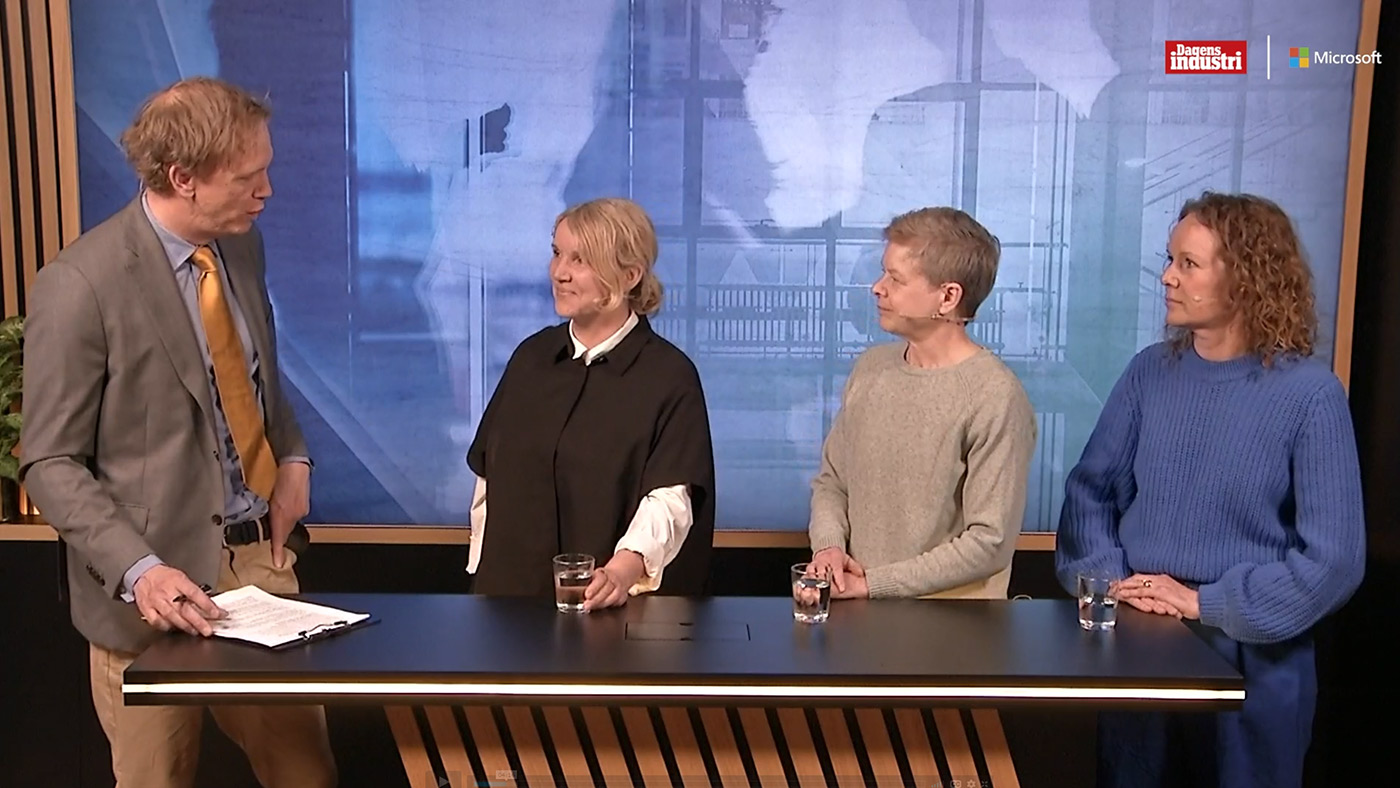
Making climate-smart choices is not least about knowledge. Retail needs to manage its own strategy when it comes to climate-smart choices, but also the increasing awareness of customers. First out of the three in the first panel was Eva Karlsson (second from the left in the picture), CEO of Houdini Sportswear, who was asked to introduce the company because the moderator didn't think everyone knew who Houdini was.
Eva Karlsson said that sustainability is a core business for Swedish Houdini Sportswear, which is present in around 20 markets around the world and manufactures clothing for the active, and which has been working with circularity since 2001.
– Circularity means that materials that go into our products must be circular. The design of the product itself must be circular and we must have an ecosystem to deliver circularity to our customers as well and enable our users out there to, in addition to living a wonderful life, actively out in nature, also be able to contribute to a circular world, said Eva Karlsson.
Åsa Domeij (second from the right), sustainability manager at Axfood, told us that the challenges in their industry, the grocery store, are enormous and that they usually say that they work with sustainability in everything – which includes all kinds of environmental issues, social issues and even animal welfare. The biggest challenges are those related to the supply chain, including agriculture.
– We have a goal to halve food waste between 2015-2025 and so far it is going at the pace we want. Soon we hope to be below one percent food waste in stores. The large amounts of food waste occur with customers and in the food industry and the question is whether there will be a change now that food prices are rising, whether people might think more before throwing away, said Åsa Domeij.
Anna-Karin Dahlberg (far right), sustainability manager at Lindex, explained that they have a holistic approach to sustainability and that they always consider social aspects and environmental issues.
– Important for us now is our climate strategy, where we have set a goal to reduce our emissions by 50 percent throughout the entire value chain by 2030, and where circularity both in products and within business models plays a major role, said Anna-Karin Dahlberg.
Åsa Domeij explained that what has happened in the last two to three years is that there has been a huge increase in investor interest, while in society as a whole it has grown quite gradually.
Anna-Karin Dahlberg said that Lindex knows where they are going and it's not about "now we do the business as we have always done and then we put a sustainability filter on and we'll see what happens", but it's a transformation.
Eva Karlsson explained that Houdini will become 100 percent circular by 2030, across the entire value chain, including production and consumption. They are on track to reach 100 percent circular products, and have now reached 88 percent, which is a radical change compared to the industry at large.
Both Anna-Karin and Eva talked about how collaboration with customers is super important. Eva said that the average in the Western world today is that a garment is used ten times before it is thrown away and that Houdini knows that their customers use Houdini's garments on average 1287 times before they are thrown away...
– It's not that we're sitting around waiting for a lot of innovation to happen in order for us to be able to change the business world, but the business world can change immediately if you have the courage and creativity to do things in new ways, said Eva Karlsson.
How can you build the customer experience?
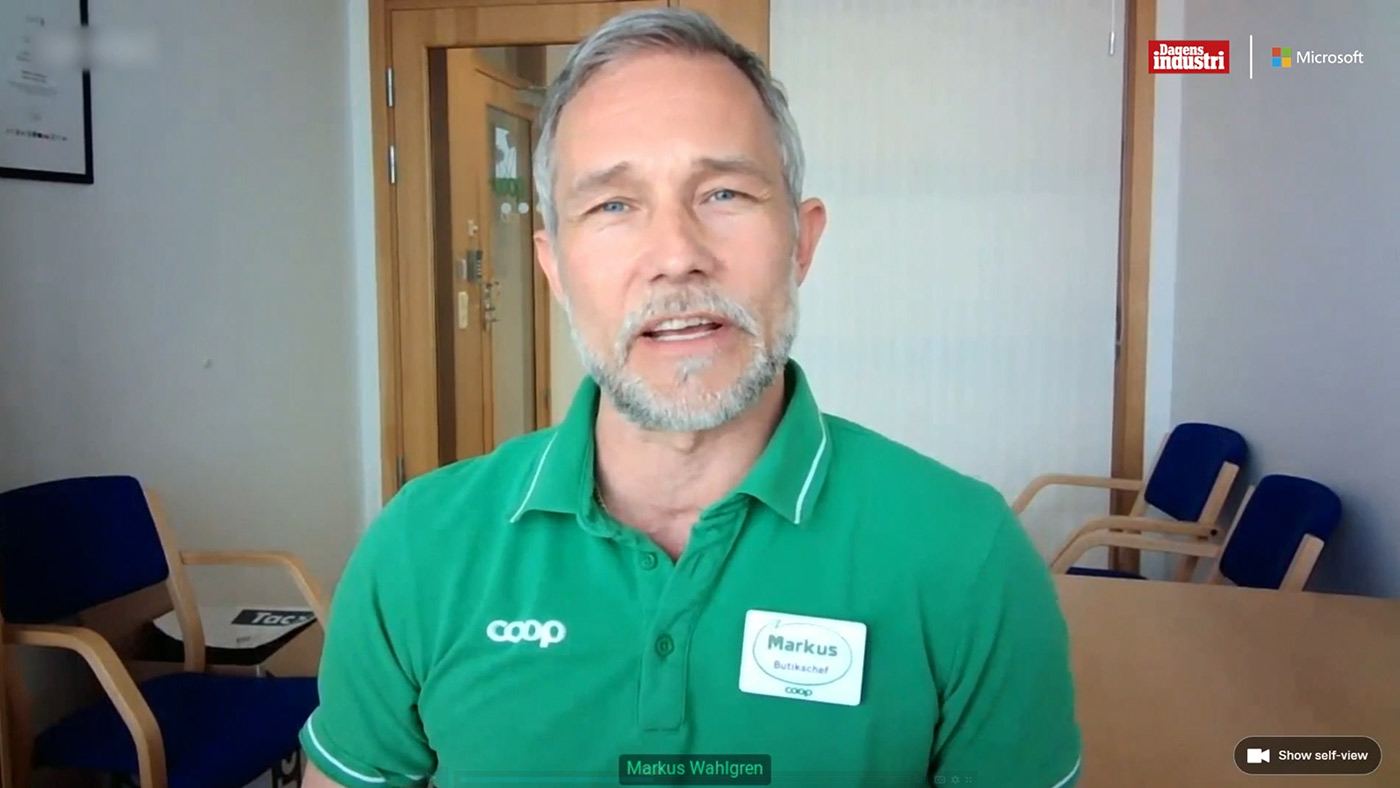
Global trends and local conditions are changing rapidly and we need to adapt to meet customer needs. Markus Wahlgren, supermarket manager at Large Coop in Visby, told via link from Visby about how he and his staff have worked in this area.
– What we have actually done the most is ask customers what they want when they come to the store, so there have been customer inquiries and all employees have been on board too, that's probably what is number one, said Markus Wahlgren.
What do we think the future of trade will look like?
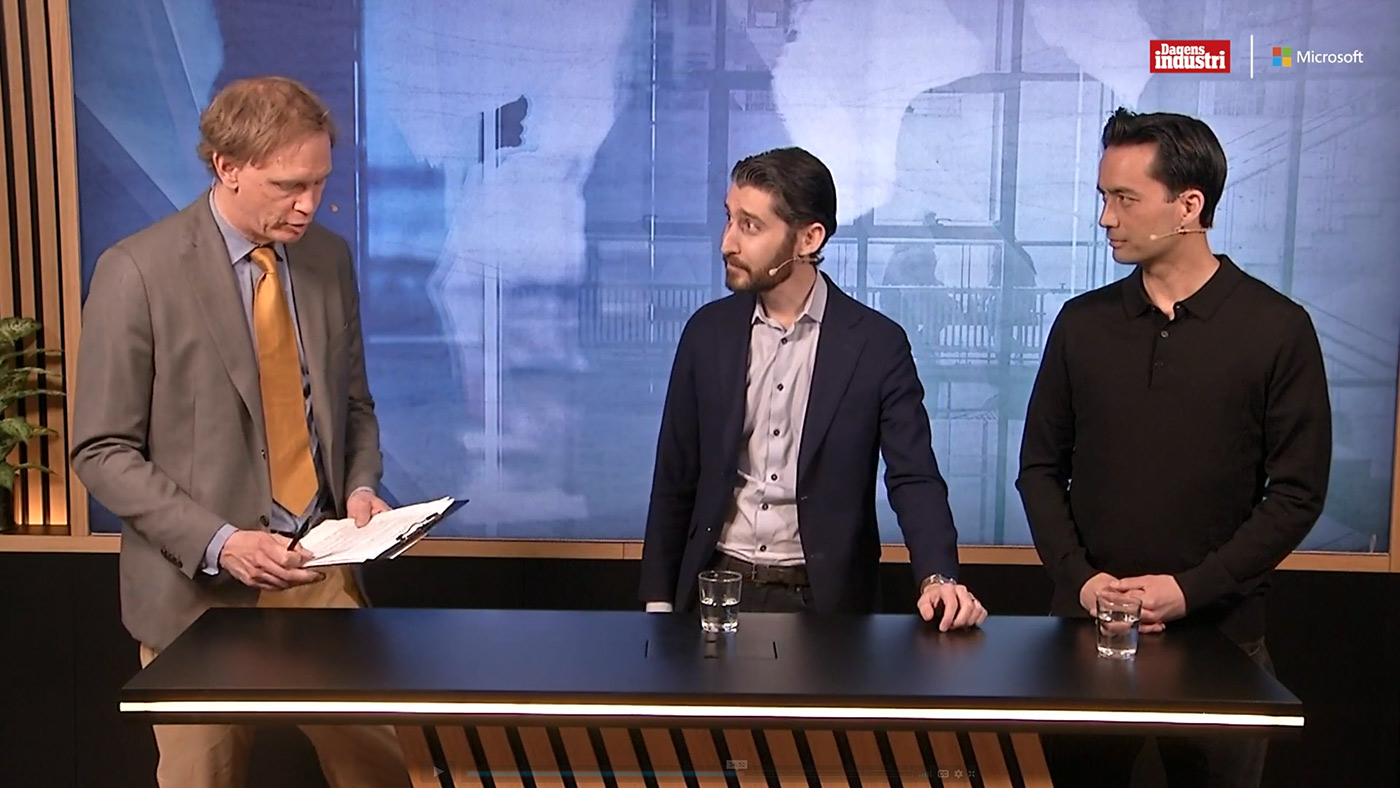
Freddy Sobin (center), CEO of the cosmetics chain Kicks, told us that they have what they like to call an integrated omni-channel strategy, where they believe very much in stores and very much in e-commerce, which together will create something bigger, more valuable. That said, of course they should be seamless in themselves. They also believe that each channel has its own strength. So while they are trying to bring them together, they are also using each channel separately.
Daniel Lundh (right), founder of Storekey & Lifvs, explained that Storekey is a digital platform that helps digitize the physical store, and Lifvs is the ultimate example of how to use such a platform, with unmanned grocery stores. There are 32 stores in Sweden today and Lifvs plans to continue to grow.
How to keep customers loyal in a digital world?
– Close relationship with the customer, as it has always been, and now it is created in a new way where we connect the digital in the analog world. We use the store as the central part and for example each store has its own webshop, in addition to the global webshop that also exists, said Anna Karin Holck, Country Retail Manager in Danish Bestsellers, which has around a hundred stores in Sweden, such as Jack&Jones, VeroModa and Vila.
Why go to the store?
– In our surveys, top 1 and 2 are always that the customer wants the product there and then and the customer wants advice/help and service. That's the fundamental thing, said Freddy Sobin.
Digitalization & checkout queue?
– Those who have succeeded with digitalization have, first of all, had an overall strategy, so they are clear about what they want to achieve. The challenge they have is to collect data, from their e-commerce and their physical store. We have a generation of ”digital natives” who were born with a mobile phone that will soon be up and sniffing at 50 percent of the purchasing power, and surveys show that 78 percent of that target group will choose not to visit a store if they look in and see a checkout line, because they do not understand the concept of ”standing in a checkout line,” said Daniel Lundh.
Ola Larsson
Images: Unsplash/Dagens Industri