2023.09.20
Rapid development in energy efficiency
White goods manufacturers continue to continuously develop their products so that they become increasingly energy efficient, and within several product categories they now easily meet the requirements for the best energy label, energy class A, even though it has only been a little over two years since the new energy label was introduced.
Energy labels on refrigerators, freezers, washing machines and dishwashers have been in place since the mid-1990s, which is likely a contributing factor to these products becoming significantly more energy efficient.
In 2010, the existing scale was expanded to include A+, A++ and A+++ because almost all products were grouped together at the top of the scale (energy class A) and consumers were no longer given any guidance. The scale had therefore reached its peak.
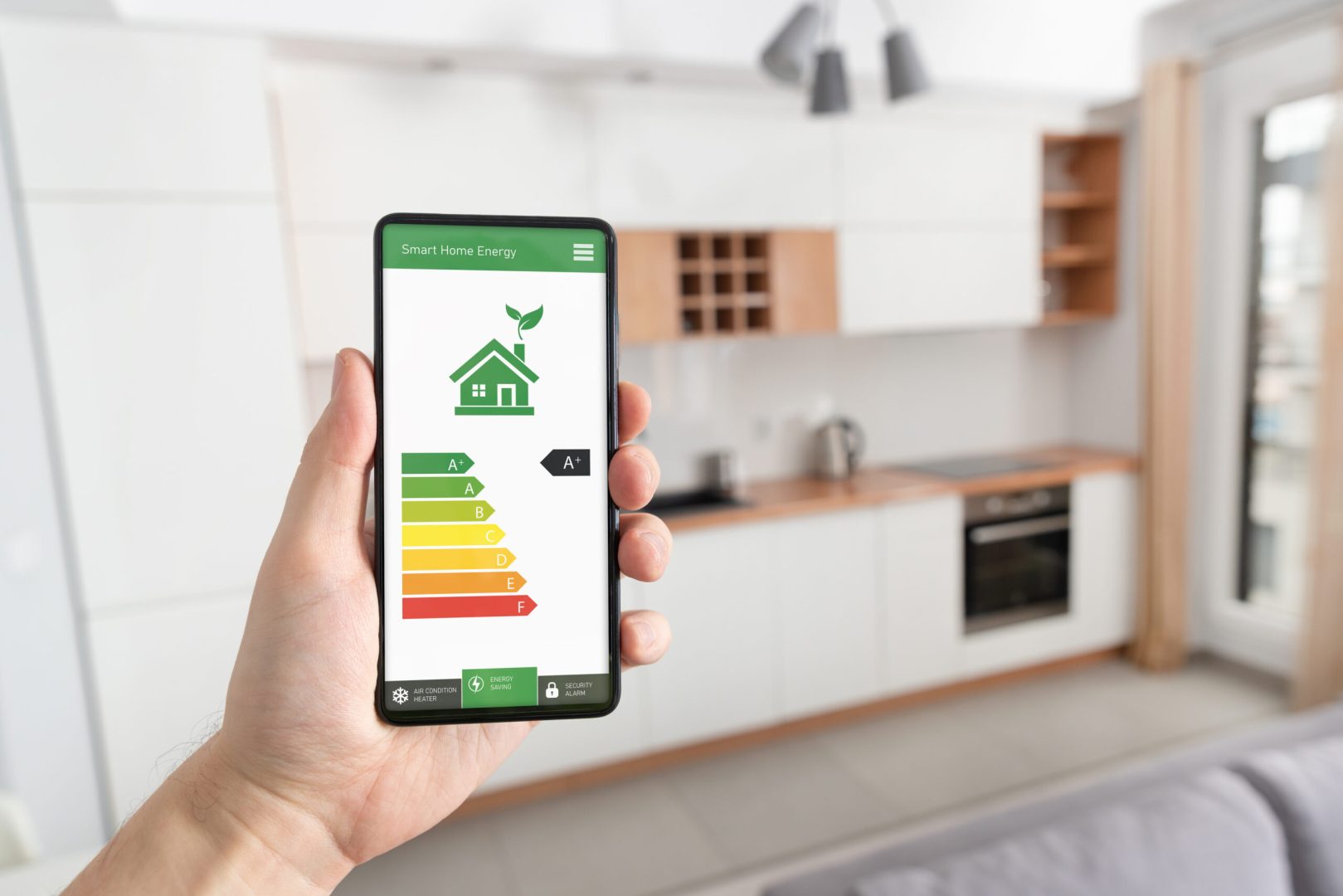
The EU countries have jointly decided that the energy label with the scale A+++ to D will gradually be changed and replaced by the scale A to G, and on March 1, 2021, the ”new energy label” was introduced on refrigerators & freezers, washing machines and dishwashers as well as wine coolers and combined washer-dryers. With this, we were back to square one again, with a scale from AG without a plus sign, and the Swedish Energy Agency informed that the most efficient products on the market may initially be in energy class B or C, or even further down the scale in energy class F or G.
The energy label was not changed for all product groups at the same time, which means that there are, for example, dryers and ovens where the energy label still has the scale A+++ to D. There are therefore two variants of energy labels at the same time, on different product groups, which can probably seem a bit confusing to an uninitiated consumer who is about to purchase a washing machine and a dryer and one product has energy class C while the other has energy class A+++.
Washing machine
When it comes to washing machines, however, it took barely a year before the most energy-efficient machines on the market met the requirements to become A-classified, which says a lot about the technical development within the category and the suppliers' efforts to improve their products to meet the requirements for energy class A, which is of course a plus since the energy label is easy-to-understand marketing.
For about a year now, basically all suppliers on the market have been offering washing machines with energy class A, and as product development continues continuously, models have begun to be launched that are even more energy efficient than what the A label requires. An example of this is the Electrolux washing machines that were shown at IFA 2022, just over a year ago, which are called A -30, which means that they consume 30 percent less energy than what is required to be labeled with A.
At IFA 2023, Samsung unveiled the A-40% washing machine, which will be available on the European market in the first quarter of next year, with Samsung's internal tests showing it to be 40 % more efficient than what is required to achieve the limit for energy class A.
The washing machine has a 10kg capacity and offers SmartThings connectivity, which Samsung says can reduce energy usage through AI Energy Mode in SmartThings Energy. This allows users to easily monitor daily, weekly and monthly power consumption to provide an estimate of monthly electricity costs.
Dishwasher
An example in the case of dishwashers is Miele, which announced last year that almost all of the company's dishwashers in the G 7000 model series meet the requirements for the new energy efficiency class A, which was introduced in 2021, and have a cycle time of less than four hours in the Eco program. Miele also said that it has reduced the energy consumption of its dishwashers by around 44 percent over the past 20 years.
Last year, Miele also launched a new feature called the ”Consumption Dashboard” for its app, which informs users of the actual amount of water and electricity consumed in a program when it is finished. The consumption dashboard also shows how often a program has been run each week, month or year. The deeper analysis of the data is simple and concise, for example comparing averages for all programs used and providing recommendations on cycle selection.
Refrigerator and freezer
Many people have a combined fridge/freezer at home and if it is a few years old, it may be time to replace it with a more energy-efficient model. A fridge/freezer with energy class F consumes approximately 300 kWh per year, while one with energy class A consumes approximately 100 kWh. If you replace your F-class fridge/freezer with an A-class, you will pay approximately one third of the price per year for electricity, which means that you will save approximately SEK 200–800 per year, depending on the cost of electricity.
Among the first to launch a fridge and freezer with energy class A was Bosch, which presented its energy-efficient model as early as September 2022, and since then Samsung and Miele have also launched energy-efficient models with energy class A, something we wrote about on APPLiAnytt in the article Innovations in refrigeration and freezing in August.
Text: Ola Larsson